Newborn Jaundice: What Parents Should Know
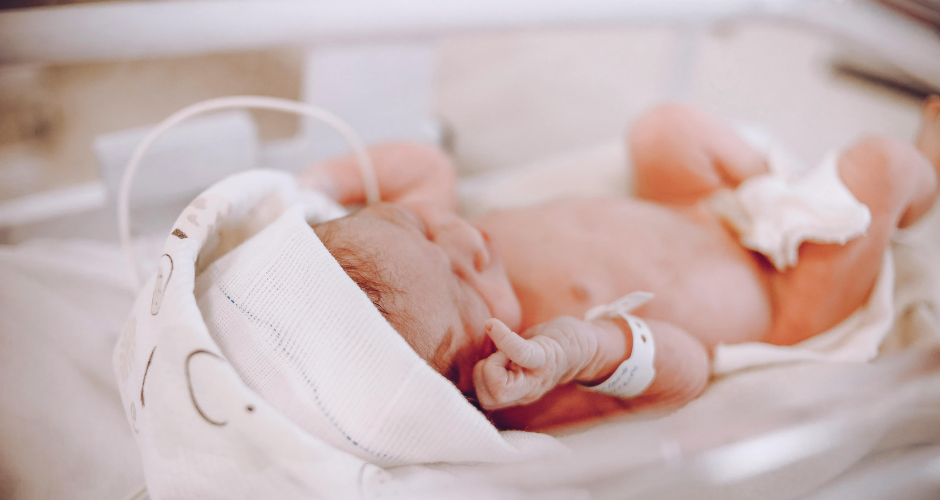
Seeing a yellow tint on your newborn’s skin can be alarming. Many parents feel anxious when they first hear the word jaundice. The good news is that newborn jaundice is very common and, in most cases, completely normal and temporary. Understanding why it happens, what signs to watch for, and when treatment is needed can help you feel more confident during those early days of parenthood.
This guide explains everything you need to know about newborn jaundice in clear, simple language.
What Is Newborn Jaundice?
Newborn jaundice is a condition that causes a baby’s skin and the whites of their eyes to appear yellow. It happens because of a buildup of a substance called bilirubin in the baby’s blood.
Bilirubin is a yellow pigment produced when red blood cells break down. Everyone has bilirubin in their body, but adults and older children process and remove it efficiently through the liver. Newborns, however, have immature livers that are still learning how to handle this process.
When bilirubin builds up faster than the baby’s liver can remove it, jaundice develops.
Why Is Jaundice So Common in Newborns?
Jaundice affects about 60% of full-term babies and an even higher percentage of premature babies. There are several reasons it is so common:
- Babies have more red blood cells than adults.
- Their red blood cells break down faster.
- Their liver is not fully developed yet.
- Feeding patterns are still being established in the first few days.
In most cases, this is called physiological jaundice, meaning it is a normal part of adjusting to life outside the womb.
When Does Newborn Jaundice Appear?
Jaundice usually appears:
- Between the second and fourth day after birth.
- It may peak around day three to five.
- It often resolves within one to two weeks in full-term babies.
Premature babies may experience jaundice for a longer period because their livers are even less mature.
Signs and Symptoms of Newborn Jaundice
The most noticeable sign is yellowing of the skin. It often starts on the face and moves downward to the chest, belly, arms, and legs as bilirubin levels increase.
Other signs may include:
- Yellowing of the whites of the eyes
- Sleepiness or difficulty waking
- Poor feeding
- Dark urine (in severe cases)
- Pale-colored stools
Doctors usually check bilirubin levels before your baby leaves the hospital. If jaundice develops later, parents are often advised to monitor skin color in natural light.
Top 9 Reasons Why Your Toddler Wakes Up Crying at Night
Types of Newborn Jaundice
Not all jaundice is the same. Here are the main types parents should understand:
1. Physiological Jaundice
This is the most common and harmless form. It appears after 24 hours of birth and usually clears on its own.
2. Breastfeeding Jaundice
This can happen when a baby is not getting enough breast milk in the first few days. Limited feeding may slow the removal of bilirubin through stools.
Improving feeding frequency often resolves this type.
3. Breast Milk Jaundice
This occurs after the first week and may last several weeks. It is caused by substances in breast milk that can slightly increase bilirubin levels. It is generally harmless and does not mean breastfeeding should stop.
4. Pathological Jaundice
This is less common but more serious. It appears within the first 24 hours or causes very high bilirubin levels. It may be linked to:
- Blood type incompatibility between mother and baby
- Infection
- Liver problems
- Genetic conditions
This type requires immediate medical attention.
How Is Newborn Jaundice Diagnosed?
Doctors check for jaundice by:
- Physically examining the baby’s skin and eyes
- Using a special light meter placed on the skin
- Performing a blood test to measure bilirubin levels
Bilirubin levels are evaluated based on:
- Baby’s age in hours
- Gestational age (full-term or premature)
- Overall health condition
Healthcare providers use specific charts to determine whether treatment is needed.
What is the Most Common Cause of Hearing Loss in Children
Is Newborn Jaundice Dangerous?
Most cases are mild and harmless. However, very high levels of bilirubin can be dangerous if not treated.
Severely elevated bilirubin can lead to a rare but serious condition called kernicterus, which can cause brain damage. This is extremely uncommon in countries where newborn screening and follow-up care are routine.
The key is early monitoring and timely treatment if needed.
Treatment Options for Newborn Jaundice
Treatment depends on how high bilirubin levels are and how quickly they are rising.
1. Frequent Feeding
For mild cases, simply increasing feeding frequency helps. Bilirubin leaves the body through bowel movements, so good feeding promotes faster elimination.
Breastfed babies should feed 8–12 times per day in the early days.
2. Phototherapy (Light Therapy)
This is the most common medical treatment.
During phototherapy:
- The baby is placed under special blue lights.
- The light helps break down bilirubin into a form that the body can remove.
- The baby may wear protective eye coverings.
- Treatment can happen in the hospital or sometimes at home.
Phototherapy is safe and highly effective.
3. Exchange Transfusion (Rare)
In severe cases, doctors may perform a procedure where some of the baby’s blood is replaced with donor blood. This quickly lowers bilirubin levels.
This treatment is rare and used only when absolutely necessary.
How Parents Can Help at Home
If your baby has mild jaundice, here are helpful steps:
- Feed frequently (every 2–3 hours).
- Monitor wet diapers and bowel movements.
- Place your baby near indirect sunlight for short periods (as advised by your doctor).
- Attend all follow-up appointments.
- Watch for increased yellowing or unusual sleepiness.
Always follow your pediatrician’s guidance rather than trying home remedies without advice.
When to Call the Doctor Immediately
Seek medical care if your baby:
- Becomes extremely sleepy and hard to wake
- Refuses to feed
- Has high-pitched crying
- Shows yellowing spreading to legs and feet
- Develops arching of the body or unusual movements
Trust your instincts. If something feels off, it’s better to check.
Does Jaundice Affect Breastfeeding?
In most cases, breastfeeding should continue.
Stopping breastfeeding is rarely necessary. In fact, frequent feeding is one of the best ways to help reduce bilirubin levels.
If feeding challenges arise, a lactation consultant can help ensure your baby is getting enough milk.
Can Newborn Jaundice Be Prevented?
Not entirely. Since physiological jaundice is part of normal newborn adjustment, it cannot always be prevented.
However, you can reduce risk by:
- Initiating breastfeeding early
- Feeding regularly
- Attending newborn checkups
- Monitoring for early signs
Early detection makes management easier and safer.
Long-Term Outlook
For the vast majority of babies:
- Jaundice resolves within 1–2 weeks.
- No long-term complications occur.
- Normal growth and development continue.
Even babies who require phototherapy typically recover fully with no lasting effects.
Emotional Support for Parents
It’s completely normal to feel worried when your newborn has jaundice. Seeing your baby under bright lights in the hospital can be stressful.
Remember:
- Jaundice is extremely common.
- Treatment is safe and effective.
- Most babies recover quickly.
Ask questions, stay informed, and lean on your healthcare team for reassurance.
Final Thoughts
Newborn jaundice may look frightening at first, but in most cases, it is a temporary and manageable condition. It happens because your baby’s body is adjusting to life outside the womb. With proper monitoring, regular feeding, and medical care when needed, babies recover well.
The early days of parenthood come with many surprises, and jaundice is one of the most common. Staying informed helps you respond calmly and confidently.