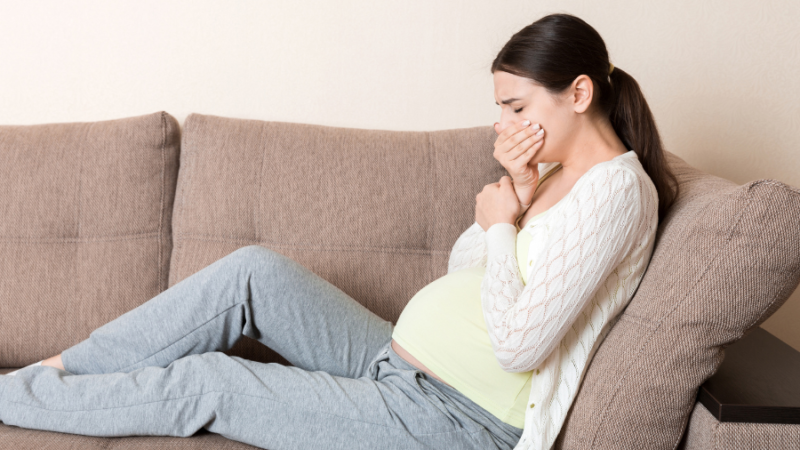
Why Sleep Becomes Difficult During Pregnancy
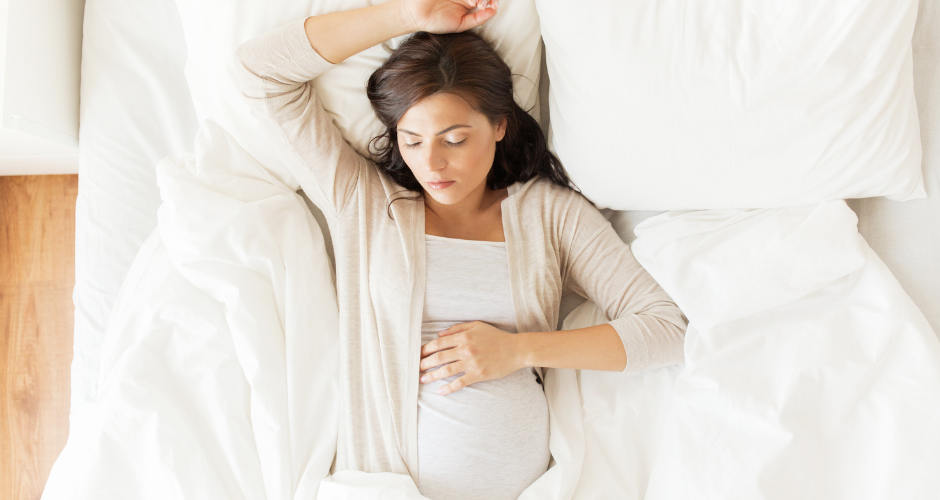
Pregnancy changes almost everything, including sleep.
Many women are surprised to discover that even though pregnancy can bring overwhelming exhaustion, actually getting comfortable, restful sleep suddenly becomes much harder. One moment you feel completely drained, and the next you are lying awake at 3 a.m., unable to fall back asleep because your mind is racing, your back hurts, or your baby has decided nighttime is the perfect time to practice gymnastics.
Sleep struggles during pregnancy are incredibly common, yet they can still feel frustrating and emotionally exhausting, especially when your body already needs more rest than usual.
The truth is, pregnancy affects sleep in many different ways. Hormonal changes, physical discomfort, emotional stress, changing body temperature, frequent bathroom trips, and even your growing baby can all interfere with your ability to rest properly.
And while every pregnancy is different, many moms-to-be quickly realize that pregnancy fatigue and pregnancy sleep are not always the same thing. You may feel tired constantly while still struggling to actually sleep well.
Understanding why sleep becomes more difficult during pregnancy can help you feel less alone and better prepared to manage those long nights.
Why Pregnancy Changes Sleep So Much
From the earliest weeks of pregnancy, your body begins working overtime. Hormones shift rapidly, your metabolism changes, blood volume increases, organs adjust, and your body starts supporting the development of an entirely new life.
All of those internal changes affect your sleep cycle in one way or another.
For some women, sleep issues begin almost immediately during the first trimester. Others notice worsening sleep during the second or third trimester as their belly grows and physical discomfort increases.
Pregnancy does not simply affect how long you sleep. It also affects sleep quality.
Many pregnant women experience lighter sleep, more interrupted sleep, vivid dreams, nighttime waking, or difficulty reaching deep, restorative sleep stages.
Hormones Play a Huge Role
One of the biggest reasons sleep changes during pregnancy is hormones.
Progesterone, often called the “pregnancy hormone,” rises significantly during early pregnancy. While progesterone can make you feel sleepy during the day, it can also disrupt normal sleep patterns.
Many women feel:
- Extremely sleepy during the daytime
- More restless at night
- Mentally foggy
- Exhausted but unable to sleep deeply
Hormonal fluctuations can also affect mood, stress levels, breathing patterns, digestion, and body temperature, all of which impact sleep quality.
Estrogen levels rise during pregnancy too, and those hormonal changes may contribute to vivid dreams, nighttime awakenings, and lighter sleep cycles.
Frequent Bathroom Trips Interrupt Sleep
One of the earliest and most frustrating pregnancy sleep problems is frequent urination.
During pregnancy, your body produces more blood and fluid, causing the kidneys to work harder. At the same time, the growing uterus begins putting pressure on the bladder.
The result? Constant nighttime bathroom trips.
Many women find themselves waking multiple times during the night just to pee, especially during the first and third trimesters.
Unfortunately, once awake, it can sometimes feel difficult to fall back asleep again.
Finding a Comfortable Sleeping Position Gets Harder
As pregnancy progresses, getting physically comfortable in bed can become surprisingly difficult.
Your growing belly changes posture, shifts body weight, and places extra strain on muscles and joints. Sleeping positions that once felt natural may suddenly feel uncomfortable or impossible.
Many pregnant women struggle with:
- Lower back pain
- Hip pain
- Pelvic pressure
- Rib discomfort
- Leg cramps
- Shoulder pain
- Neck tension
Sleeping on the stomach eventually becomes unrealistic, while sleeping flat on the back during later pregnancy may cause dizziness or discomfort because of pressure on major blood vessels.
This often leaves side sleeping as the most comfortable option, especially sleeping on the left side, which is commonly recommended during pregnancy.
Still, even side sleeping can become uncomfortable without proper pillow support.
Baby Movement Can Keep You Awake
One of the sweetest parts of pregnancy can also become one of the most sleep-disrupting.
As your baby grows stronger, kicks, stretches, rolls, and hiccups often become more noticeable, especially at night.
Many babies seem especially active when moms finally lie down to rest.
This happens partly because daytime movement can gently rock babies to sleep, while nighttime stillness allows movement to become more noticeable.
While feeling those kicks can be reassuring and emotional, they can also make uninterrupted sleep difficult, especially during the third trimester.
Heartburn and Digestion Problems
Pregnancy hormones relax muscles throughout the body, including the valve between the stomach and esophagus.
At the same time, the growing uterus places pressure on digestive organs.
This combination often causes:
- Heartburn
- Acid reflux
- Indigestion
- Bloating
- Nausea
Symptoms frequently worsen when lying down, especially after eating late in the evening.
For many pregnant women, nighttime heartburn becomes one of the biggest reasons sleep feels uncomfortable.
Anxiety and Racing Thoughts at Night
Pregnancy is emotional, even when it is exciting.
Your mind may constantly think about:
- The baby’s health
- Labor and delivery
- Parenthood
- Finances
- Relationship changes
- Life adjustments
- Body changes
- Future responsibilities
These thoughts can become especially loud at night when everything is quiet.
Many moms-to-be experience nighttime anxiety, overthinking, or racing thoughts that make it hard to relax fully enough to sleep.
Even positive excitement can sometimes overstimulate the brain and interfere with rest.
Pregnancy Dreams Become More Intense
Many women notice unusually vivid dreams during pregnancy.
Hormonal changes, emotional processing, interrupted sleep cycles, and increased nighttime waking all contribute to more intense dreaming.
Pregnancy dreams may feel:
- Extremely realistic
- Emotional
- Strange or random
- Stressful
- Highly detailed
Some women even experience nightmares more frequently during pregnancy, particularly when feeling anxious about upcoming life changes.
Leg Cramps and Restless Legs Syndrome
Another common pregnancy sleep complaint is uncomfortable legs at night.
Some women experience painful leg cramps, especially in the calves, while others develop restless legs syndrome (RLS), which creates uncomfortable tingling, crawling, or restless sensations that make relaxing difficult.
These symptoms often worsen at night and can interfere with falling asleep or staying asleep comfortably.
While the exact cause is not always clear, pregnancy-related circulation changes, mineral deficiencies, and hormonal shifts may contribute.
Snoring and Breathing Changes
Pregnancy can even affect breathing during sleep.
Increased blood flow and hormonal changes may cause swelling in nasal passages, leading to congestion or snoring.
Weight gain and physical changes can also affect airflow during sleep.
Some pregnant women even develop sleep apnea symptoms during pregnancy, particularly later in pregnancy when physical changes become more significant.
Fun Fact: Your Body Is Working Hard Even While You Sleep
During pregnancy, your body continues supporting your baby 24/7, even while resting.
Blood volume increases dramatically, the placenta develops, organs adapt, and your baby’s growth continues nonstop. No wonder pregnancy can feel exhausting.
Why Sleep Matters So Much During Pregnancy
Sleep is not just about feeling rested. During pregnancy, quality sleep plays an important role in:
- Physical recovery
- Hormone regulation
- Immune health
- Emotional well-being
- Energy levels
- Healthy fetal development
Chronic sleep deprivation during pregnancy may also increase stress, irritability, anxiety, and difficulty coping with physical discomfort.
That is why prioritizing rest matters so much during this stage of life.
Tips to Sleep Better During Pregnancy
While pregnancy sleep challenges are common, there are ways to make rest easier and more comfortable.
Use Pregnancy Pillows
Support pillows between the knees, under the belly, or behind the back can improve comfort significantly.
Sleep on Your Side
Side sleeping, especially the left side, is often recommended later in pregnancy for circulation and comfort.
Limit Fluids Before Bed
Staying hydrated matters, but reducing large fluid intake right before bed may reduce nighttime bathroom trips.
Avoid Heavy Meals Late at Night
This may help reduce heartburn and indigestion symptoms.
Create a Relaxing Bedtime Routine
Gentle stretching, reading, calming music, or warm showers may help the body relax before sleep.
Reduce Screen Time Before Bed
Bright screens and mental stimulation can make falling asleep harder.
Talk to Your Doctor About Severe Sleep Problems
Persistent insomnia, breathing issues, or extreme exhaustion should always be discussed with a healthcare provider.
Final Thoughts
Sleep difficulties during pregnancy can feel frustrating, emotional, and exhausting, especially when your body already feels overwhelmed by constant changes.
But struggling with sleep during pregnancy is incredibly common, and in many cases, it is simply a reflection of how much your body is doing behind the scenes every single day.
From hormonal shifts and physical discomfort to emotional stress and baby movement, pregnancy transforms nearly every part of your normal sleep routine.
The most important thing is giving yourself grace during this season. Rest may not always look perfect right now, and that is okay. Your body is doing extraordinary work, even on the nights when sleep feels impossible.
Related Articles: