What Does Your Tongue Say About Your Oral Health?
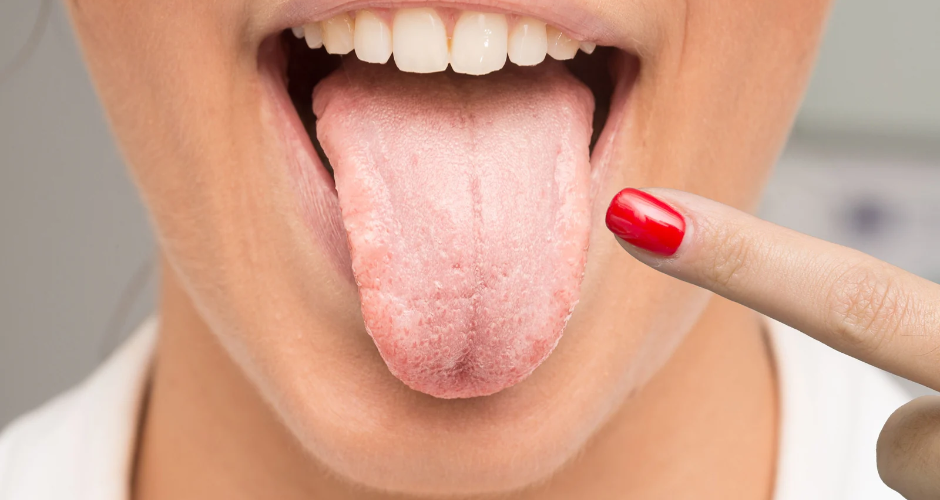
Your tongue does much more than help you taste food, speak clearly, and swallow. It can also offer useful clues about your oral health. From unusual colour changes and white patches to cracks, bumps, and persistent coatings, different changes in the tongue may indicate what is happening inside your mouth.
Many people pay attention to their teeth and gums but overlook their tongue during daily oral hygiene. However, the tongue contains thousands of tiny structures called papillae, which help with taste and provide its familiar textured surface. Changes in its appearance, texture, or sensation can sometimes point towards oral health concerns, nutritional deficiencies, infections, or other underlying conditions.
So, what can your tongue reveal about your health? Let’s explore the common tongue changes, what they might mean, and when you should consider visiting a dentist.
1. A Healthy Tongue: What Should It Look Like?
A healthy tongue is generally pink, slightly moist, and covered with tiny bumps called papillae. These bumps are completely normal and help you experience different tastes.
Although everyone’s tongue may look slightly different, some common characteristics of a healthy tongue include:
- A light pink or natural pink colour.
- A slightly rough surface due to tiny papillae.
- No painful sores or unusual swelling.
- Normal movement without discomfort.
- No thick or persistent coating.
A thin, light coating on the tongue can be normal. However, noticeable changes that remain for an extended period deserve attention.
Early Signs of Tooth Decay Most People Ignore
2. White Tongue: Could It Indicate Poor Oral Hygiene?
Have you ever noticed a white coating covering your tongue? This is one of the most common tongue changes people experience.
A white tongue can develop when dead cells, bacteria, and food particles collect between the papillae. It may be associated with:
- Inadequate tongue cleaning.
- Dry mouth or dehydration.
- Smoking or tobacco use.
- Mouth breathing.
- Certain medications.
- Oral thrush, a fungal infection.
Sometimes, white patches are associated with conditions such as oral lichen planus or leukoplakia.
What should you do?
Maintain good oral hygiene, gently clean your tongue with a tongue scraper or soft toothbrush, and drink enough water. Avoid aggressively scraping the surface, as this can irritate the tongue.
If white patches do not disappear, cannot be gently wiped away, or are accompanied by discomfort, consult a dentist for an examination.
Oral Health Warning Signs: What Your Mouth Says About Your Health
3. Red Tongue: Is Your Body Missing Essential Nutrients?
A tongue that looks unusually red, smooth, or swollen may sometimes indicate an underlying health issue.
One possible explanation is a deficiency of certain nutrients, particularly vitamin B12, folate, or iron. These nutrients play an important role in maintaining healthy tissues and supporting normal blood cell production.
A condition called glossitis can also cause inflammation, making the tongue appear red, smooth, and sometimes painful.
Other possible symptoms include:
- Burning or tingling sensations.
- Increased sensitivity to spicy foods.
- Difficulty eating certain foods.
- Changes in taste.
What should you do?
If your tongue remains unusually red or smooth, speak with a healthcare professional. They may recommend blood tests to identify nutritional deficiencies or other possible causes. Avoid taking supplements without understanding whether you actually need them.
4. Yellow Tongue: What Causes the Discolouration?
A yellowish tongue can look concerning, but it is not always a sign of a serious health problem.
Yellow discolouration commonly occurs when bacteria, dead skin cells, and food particles accumulate on the tongue’s surface. Certain lifestyle habits can make this more noticeable.
Common causes include:
- Poor tongue-cleaning habits.
- Smoking or tobacco consumption.
- Dry mouth.
- Drinking large amounts of tea or coffee.
- Certain medications.
- Mouth breathing.
In some cases, yellow discolouration may be associated with jaundice, particularly when accompanied by yellowing of the eyes or skin.
What should you do?
Improve your daily oral hygiene routine, clean your tongue gently, and stay hydrated. If the yellow colour persists or you notice yellowing of your eyes or skin, seek medical advice.
5. Cracked Tongue: Is It Something to Worry About?
A cracked tongue, also known as fissured tongue, is characterised by grooves or deep lines across its surface.
Some people have a single noticeable groove, while others have several small cracks covering the tongue.
The condition is generally harmless and does not usually require medical treatment. However, food particles and bacteria can collect inside deeper grooves, potentially causing irritation or unpleasant breath.
How can you care for a cracked tongue?
- Clean your tongue gently every day.
- Pay attention to the deeper grooves.
- Drink sufficient water.
- Maintain regular dental check-ups.
- Avoid excessive scraping or brushing.
If cracks are accompanied by pain, swelling, or unusual changes, consult your dentist.
6. Black Hairy Tongue: Why Does It Happen?
Despite its unusual name, black hairy tongue does not mean that actual hair grows on the tongue.
This condition develops when the tiny papillae on the tongue become elongated and trap bacteria, food particles, and dead cells. The accumulated material can make the tongue appear brown, black, or sometimes yellowish.
Several factors can contribute to this condition:
- Poor oral hygiene.
- Smoking.
- Excessive coffee or tea consumption.
- Certain antibiotics.
- Dry mouth.
- A soft-food diet that provides less natural friction to remove dead cells.
What should you do?
Gentle tongue brushing, proper hydration, and improved oral hygiene can often help. Reducing tobacco use and discussing medication-related concerns with your healthcare professional may also be beneficial.
If the discolouration does not improve, arrange a dental examination.
7. Bumps on the Tongue: Are They Normal?
The tongue naturally contains tiny bumps called papillae. These are part of its normal structure and help with taste.
However, some bumps may become enlarged, red, or painful due to irritation or inflammation.
Possible reasons include:
- Accidentally biting your tongue.
- Eating very hot foods.
- Irritation from acidic or spicy foods.
- Temporary inflammation of the papillae.
- Mouth ulcers.
- Viral infections.
Small, temporary bumps often disappear without treatment. However, a lump that remains for more than two weeks, grows, bleeds, or becomes increasingly painful should be examined by a dentist or doctor.
8. Burning Tongue: Why Does Your Tongue Feel Like It’s on Fire?
A burning sensation on the tongue can make eating, drinking, and even speaking uncomfortable.
Sometimes, the cause is obvious, such as consuming hot food or irritating mouth products. In other situations, the burning sensation may occur without any visible changes.
Possible causes include:
- Dry mouth.
- Nutritional deficiencies.
- Oral infections.
- Allergic reactions or irritation.
- Acid reflux.
- Certain medications.
- Burning mouth syndrome.
Burning mouth syndrome is a condition in which a person experiences a persistent burning sensation without an obvious visible cause.
If the sensation continues, consult your dentist or healthcare professional to identify the underlying reason and appropriate treatment.
9. Geographic Tongue: Why Does Your Tongue Have Map-Like Patterns?
Geographic tongue is a harmless condition that creates irregular, smooth, reddish patches on the tongue. These patches often have slightly raised, pale borders, giving the tongue a map-like appearance.
The patterns may change their location, size, or shape over time.
Although the exact cause is not fully understood, geographic tongue is sometimes associated with certain inflammatory conditions and family history.
Most people do not experience significant discomfort. However, some may notice sensitivity to:
- Spicy foods.
- Acidic fruits.
- Hot beverages.
- Strongly flavoured foods.
There is generally no need for treatment unless symptoms become uncomfortable. A dentist can confirm whether the unusual pattern is geographic tongue or another condition.
10. When Should You Visit a Dentist for Tongue Changes?
Not every tongue colour change or unusual appearance indicates a serious problem. Some changes are temporary and may improve with better oral hygiene.
However, certain symptoms should never be ignored.
Consider visiting a dentist or healthcare professional if you notice:
- White or red patches that persist.
- A sore or ulcer that does not heal within two weeks.
- A lump or thickened area on the tongue.
- Unexplained bleeding.
- Persistent pain or burning.
- Difficulty swallowing or moving your tongue.
- Unusual swelling.
- Persistent changes in tongue colour or texture.
Early examination can help identify the cause and ensure that any necessary treatment begins promptly.
11. Simple Daily Habits to Keep Your Tongue Healthy
Taking care of your tongue does not require an expensive routine. A few consistent habits can support better oral hygiene and help prevent the accumulation of bacteria and debris.
Here are some simple practices to follow:
1. Clean your tongue daily: Use a soft toothbrush or tongue scraper to gently clean the surface of your tongue.
2. Brush twice a day: Brush your teeth with fluoride toothpaste for approximately two minutes each time.
3. Stay hydrated: Drinking enough water helps maintain saliva production and prevents excessive mouth dryness.
4. Floss regularly: Cleaning between your teeth helps remove food particles and plaque that brushing alone may miss.
5. Avoid tobacco products: Smoking and chewing tobacco can contribute to several oral health problems, including an increased risk of oral cancer.
6. Limit excessive sugar: Frequent consumption of sugary foods and drinks can encourage harmful bacteria in the mouth.
7. Visit your dentist regularly: Routine dental examinations help identify oral health problems before they become more complicated.
Frequently Asked Questions (FAQs)
1. What is the normal colour of a healthy tongue?
A healthy tongue is generally pink, slightly moist, and has a naturally textured surface with tiny bumps called papillae.
2. Does a white tongue mean poor oral hygiene?
Not always. A white coating may develop due to bacteria, dead cells, dry mouth, or inadequate tongue cleaning. Sometimes, it can also indicate an oral infection or another condition.
3. Can dehydration change the appearance of your tongue?
Yes. Dehydration can contribute to dry mouth and make the tongue appear dry or coated. Drinking enough water supports normal saliva production.
4. Is a cracked tongue dangerous?
A cracked tongue is usually harmless. However, food and bacteria can collect in deeper grooves, so gentle cleaning is important.
5. How often should you clean your tongue?
Cleaning your tongue once daily is generally sufficient for maintaining good oral hygiene. Use gentle movements to avoid irritation.
6. Can your tongue indicate vitamin deficiencies?
Certain tongue changes, such as a smooth, red, or sore tongue, may be associated with deficiencies of iron, vitamin B12, or folate. However, these symptoms alone cannot confirm a deficiency.
7. When should you worry about a tongue ulcer?
An ulcer that does not heal within two weeks, or one that bleeds, becomes larger, or is accompanied by other unusual symptoms, should be examined by a dentist or doctor.
Final Thoughts
Your tongue can provide valuable clues about your oral health, but its appearance should never be used as the only way to diagnose a medical condition. White coatings, unusual colours, cracks, bumps, and burning sensations can have several different causes.
The best approach is to maintain a consistent oral hygiene routine, pay attention to changes, and seek professional advice when something does not improve.
Remember, a healthy smile is not just about clean and strong teeth. Taking care of your tongue, gums, and the entire mouth is equally important for maintaining good oral health.
A simple habit like checking and gently cleaning your tongue every day can make a meaningful difference to your overall oral hygiene.